SharePoint Solutions
Leading the shift from customer-specific workflows to a clearer AI-powered solutions strategy.
The journey started with SharePoint Agreements: a focused solution space where customer conversations exposed how much important work still lived across documents, email, manual reviews, exceptions, and expert judgment.
As AI became more capable, the opportunity expanded. The work moved from a single agreement-oriented workflow toward a broader AI vertical, and eventually toward AI-powered solutions: reusable ways for SharePoint to help people reason over content, coordinate work, and move from scattered information to clearer action.
My contribution was not just shaping screens. It was helping the team get ahead of the strategy: clarifying the story, naming what was reusable, building the operating model, and creating collaboration playbooks so customer-specific learning could turn into repeatable product direction.
Product question: How do we turn customer-specific solution work into a scalable AI-powered product direction without losing the nuance that made the customer problem real?
The journey
Started with concrete workflows around documents, review, handoffs, and decisions that needed more structure.
Expanded into a broader opportunity area: where AI could help summarize, extract, route, recommend, and reduce manual coordination.
Moved toward reusable solution patterns that could carry customer learning into a more scalable SharePoint product story.
The questions I pushed the team to answer
Proactive strategy, not reactive delivery
Customer solution work can easily become a queue of urgent asks. I pushed for a more proactive posture: look across engagements, identify repeated patterns, and use those patterns to shape where the product should go next.
That meant creating clarity before the team jumped into execution. We needed to know which problems were worth solving once, which needed a reusable solution path, and which signals belonged in the broader AI strategy.
Looked across customer conversations to identify repeatable patterns before they became disconnected asks.
Used focused sprints to align on the problem, the audience, the phase-one path, and what success needed to prove.
Defined how design, PM, engineering, and customer-facing partners should move from signal to prototype to product learning.
Created repeatable ways to frame asks, capture evidence, make decisions, and keep momentum across partners.
Seen in the product direction
Public SharePoint and Copilot surfaces help show the broader direction: AI moving closer to the work, and admin/user experiences shifting from static content toward guided, agent-assisted workflows.
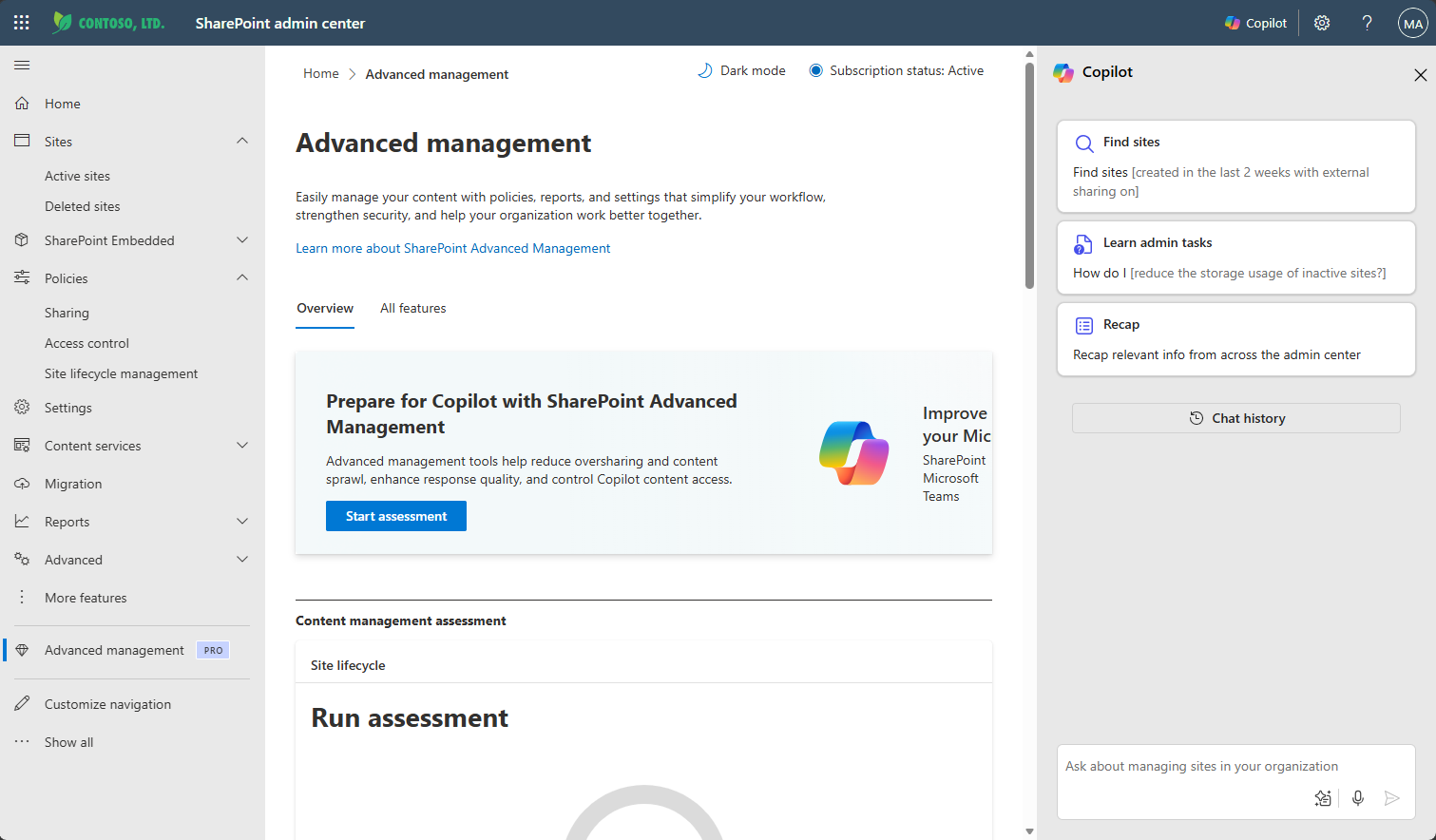
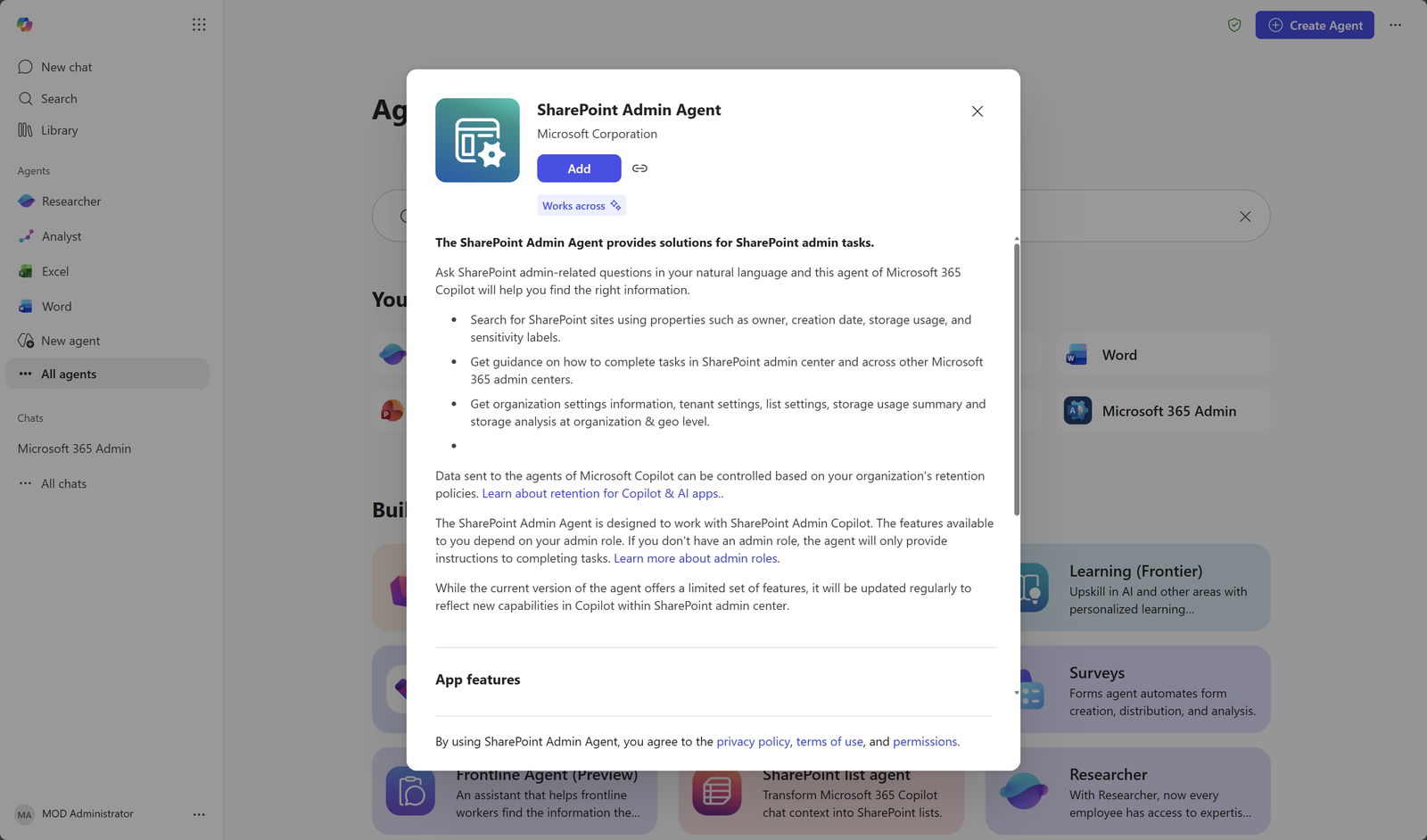
A big part of the work was helping teams move from “this customer needs a solution” to “this pattern is teaching us something about the product.” That shift changed the role of design: from producing flows to shaping the strategy, operating model, and collaboration system behind the work.
The leadership move was not to collect more signals. It was to make the signals useful enough to create momentum.
Impact
The work helped establish a clearer path from SharePoint Agreements to AI-powered solutions: stronger problem framing, more reusable solution patterns, better partner alignment, and a more proactive design role in shaping product strategy.